
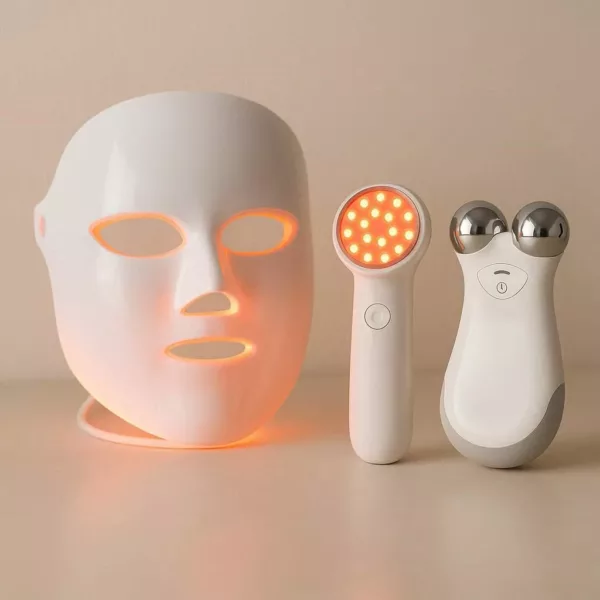
Anti-aging skincare in 2025 is all about innovation and personalization. Brands are moving beyond traditional creams and serums, diving into advanced ingredients that promise to combat signs of aging like never before. Think peptide-infused products and growth factors tailored to your skin’s unique needs. Skincare technology advancements range from high-tech devices to lab-driven formulations. Skincare is becoming smarter, more targeted, and better at delivering real results.
Month: September 2025
Anti-aging Eye Cream Guide
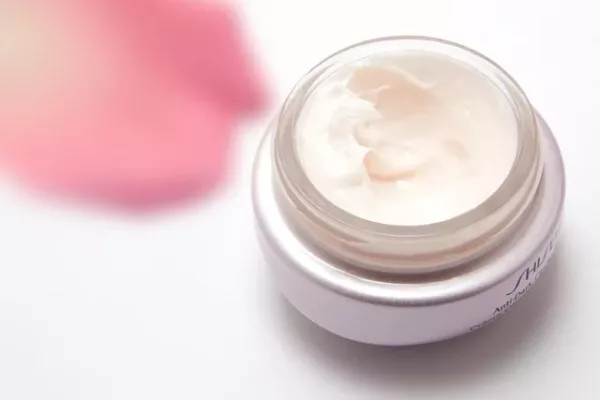
The skin around our eyes tends to age faster than other areas. Why does it happen? The skin around our eyes is delicate, thin, and one of the first areas to show fine lines, puffiness, and dark circles. With so many options on the market, choosing the right anti-aging eye cream can feel overwhelming. This anti-aging eye cream guide will break it down so you know what really works and what to look for.
One might wonder, “What exactly is in these eye creams that makes them work?” The magic lies in the ingredients. You’ll find hydrating champions like hyaluronic acid, while peptides work to boost collagen production. Retinol is pretty popular too—it’s great for smoothing out lines. Vitamin C is another superstar, brightening and firming up the eye area.
So, why bother with a specific eye cream, and why not just use your regular moisturizer? It all comes down to targeted action. Eye creams are packed with specialized ingredients to tackle issues unique to this area. Stress less about puffiness, dark circles, and all the other stuff life throws at your eyes because the right cream has what you need. Having a dedicated eye treatment isn’t just about treating problems but also keeping future issues at bay. Think of it like a long-term investment in the way your skin ages. With consistent care tailored to the eyes, staying a step ahead of those pesky signs of aging becomes a lot easier.
The Ultimate Guide To Anti-Aging Devices
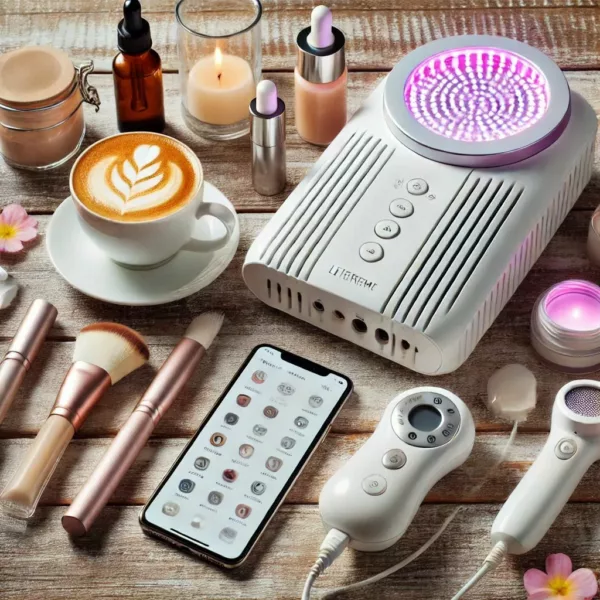
Anti-aging devices are more than just glitzy gadgets—they’re like little pieces of skincare magic that can make you feel like you’ve hit the jackpot in the eternal youth department. With technology moving faster than a superhero in flight, these devices are transforming how we handle skincare routines. These nifty tools can help boost what’s already on your shelf, like serums or creams, taking skincare to a whole new level. This is the ultimate guide to anti-aging devices.
So, what’s out there? There is everything from handheld microcurrent gadgets that zap your skin into tighter shape, to those laser devices that promise to knock back years off your face. The choices might seem like a high-tech candy store, but knowing which device to pick can be a real game-changer for your skin’s glow.
But here’s the snag—not all devices are made equal, what works for one doesn’t work for another. Your skin type and specific concerns (like wrinkles, sun damage, or just wanting that glow) should steer your choice. Whether you’re tackling the first signs of aging or looking to maintain your youthful demeanor, understanding your skin’s needs is key. Always do a bit of homework on what suits your skin best. Consider speaking to a dermatologist or a skincare specialist to get some advice tailored to your skin and concerns.
Understanding what genuinely provides bang for your buck in the realm of anti-aging can save you time and money. Whether it’s an at-home gadget or a treatment session in a clinic, knowing what’s out there and how it fits your needs will steer you toward getting that youthful glow we all secretly crave.
Debunking Myths: The Truth about Skin Tightening Devices
Are skin tightening devices genuinely effective, or are they just making big promises? The answer’s a bit of both. Here’s the lowdown: these devices use techniques like radiofrequency or ultrasound to stimulate your skin deeper than most creams can reach. This stimulation encourages your skin to produce more collagen and elastin, which are the secret agents of firm, bouncy skin.
But here’s the catch—it’s not always a quick fix. Patience is your best friend here, as it takes time to see noticeable changes, often with consistent use over a few months. Many users have shared positive results, but it’s important to keep expectations realistic—it might not be as dramatic as a surgical procedure, but it does provide a subtler, natural enhancement.
Understanding the science behind these devices makes it easier to set the right expectations. When radiofrequency waves penetrate the skin, they produce heat, which triggers the skin to heal itself by generating more collagen—think of it as giving your skin a little wake-up nudge.
Many folks wonder about safety, and here’s where a bit of due diligence goes a long way. Look for devices with multiple positive reviews and, if possible, licensed by proper authorities. It’s also wise to consult with a skincare professional who can provide guidance tailored to your skin type and goals.
Lastly, diving into a few success stories can offer some hopeful insight. Many users report firmer skin with reduced fine lines, especially when combining these devices with good skincare habits and a healthy lifestyle. While not every claim is substantiated, for many, these devices are an effective tool in their beauty kit.
Most Popular Types of Anti-Aging Devices
1. LED Light Therapy Devices
What they are: Masks or handheld tools that use red, blue, or near-infrared light.
Benefits: Red light helps stimulate collagen and reduce fine lines, while blue light targets acne-causing bacteria.
Best for: Anyone looking for firmer skin, less redness, or help with breakouts.
Tip: Consistency is key—results come with regular use. **My favorite LED device is the Dr. Dennis Gross DRx SpectraLite™ FaceWare Pro LED Device
2. Microcurrent Devices
What they are: Tools that deliver low-level electrical currents to the skin and muscles.
Benefits: Often called a “natural facelift,” they can lift and tone the face, improve contour, and enhance firmness.
Best for: Sagging skin, dullness, and loss of definition.
Tip: You’ll see some instant results, but long-term benefits happen with repeated use. **My favorite microcurrent device is the NUFace MINI+ Smart Petite Facial Toning Device
3. Radio Frequency (RF) Devices
What they are: Devices that use radiofrequency energy to heat the skin’s deeper layers.
Benefits: Stimulates collagen production, tightens skin, and can soften wrinkles.
Best for: Mild to moderate skin laxity (looseness).
Tip: Professional RF treatments are stronger, but at-home versions can still give gradual results.
4. Derma Rollers & Microneedling Pens
What they are: Tools with tiny needles that create micro-injuries in the skin.
Benefits: Promotes collagen production, reduces scarring, softens fine lines, and improves product absorption.
Best for: Texture issues, enlarged pores, and fine lines.
Tip: Always sterilize your device—safety first!
5. Ultrasonic Skin Devices
What they are: Tools that use sound wave vibrations to cleanse, exfoliate, and improve product penetration.
Benefits: Helps with deep cleansing, improves circulation, and enhances glow.
Best for: Dull, congested skin.
Tip: Great as a gentle addition to your routine if you don’t want something too invasive.
6. At-Home Laser Devices
What they are: Compact laser tools designed for home use.
Benefits: Target fine lines, uneven tone, and texture by stimulating collagen at a deeper level.
Best for: Early signs of aging, sun damage, and pigmentation.
Tip: Results are slower than in-office treatments, but still effective over time. **My favorite laser device is the Nira Precision Laser
Maximizing Benefits from Anti-Aging Devices: Best Practices
To make the most out of your anti-aging devices, getting the hang of some best practices can really make a difference. Consistency is the secret. Equip yourself with patience and integrate these devices into your routine, kind of like how you never skip brushing your teeth. Regular use is where the magic happens.
A focus on lifestyle goes hand in hand with device use. That means drinking lots of water, eating a balanced diet rich in fruits and veggies, and getting enough beauty sleep. Easier said than done, but these habits support your skin’s health, making those device investments worthwhile.
Good skin care also involves sun protection. Sounds obvious, but sunscreen is your BFF when you’re aiming to keep your skin youthful. Even the best treatments and devices need backup in the form of diligent sunscreen application.
Find what really works by combining tech with traditional practices. Facial massages, gentle exfoliation, and moisturizers with proven ingredients like hyaluronic acid and peptides enhance results from any device. Ultimately, the goal is glowing skin that feels as good as it looks. Tailor your approach to suit your skin’s needs, leveraging both tried-and-true methods and the latest advancements in skincare technology.
Aging is a privilege—but glowing, healthy skin at any age is totally achievable.
Skincare Routines For The Seasons Of The Year

Seasonal shifts aren’t just about changing clothes or planning holidays. Our skin, being the body’s largest organ, faces varying challenges and demands as the year rolls by. Think about it: what’s perfect in summer might not cut it when cold winds hit. As the environment changes, so does the exposure our skin gets — humidity, temperature, and even air pollution levels play their part. In this post, read about how to transition your skincare routines for the seasons of the year.
Different seasons bring different concerns. Summer often means more oil production and acne due to heat and humidity. In contrast, winter tends to dry out skin as the air gets colder and heaters zap out moisture indoors. Recognizing these shifts helps in deciding that, yes, your skincare routine should indeed shake things up with the seasons.
Whether you’re in a humid city or a dry desert, every locale has its quirks when it comes to impacts on your skin. Someone in tropical climates might never experience winter dryness, but they’ll battle year-round humidity. Over in chilly zones, someone might lean on thicker creams to fight off cold winds.
Adjusting your skincare with the seasons isn’t just a smart move — it’s essential for healthy skin. Consider lightweight formulations in summer that control oil without clogging pores. When the temperature drops, switch to hardy creams and hydrating masks to ward off the inevitable dryness.
So, keeping an eye on the calendar alongside your skincare can mean the difference between a season of glowing skin or dealing with unexpected issues. An adaptable routine means your skin stays happy and healthy, season after season.