Crepey Under-eye Concealer Techniques

Understanding the Crepey Under-eye Dilemma

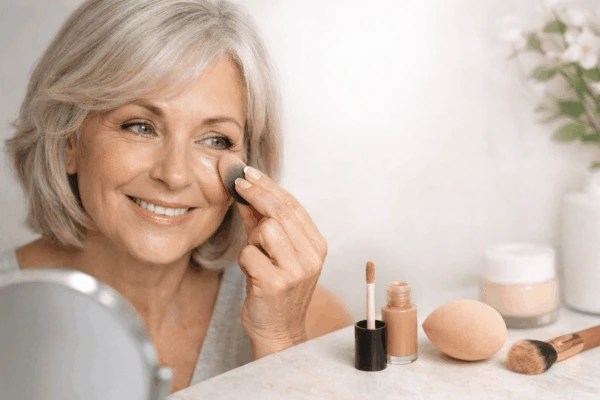
Crepey under-eyes are one of the most common makeup concerns as we age—and one of the most misunderstood. If your concealer looks smooth at first but quickly settles into fine lines, creases, or emphasizes texture, the issue isn’t your face—it’s the application method and product choice.

The good news? With the right prep, formula, and crepey under-eye concealer techniques, your concealer can brighten mature under-eyes beautifully—without cracking, creasing, or aging you.

Read more

Latest Anti-aging Treatments

Modern times call for innovative solutions to timeless challenges, and fighting the signs of aging is no exception. With the latest anti-aging treatments available today, it can sometimes feel like walking into a futuristic skincare utopia.

Whether you’re talking about cutting-edge topical products, in-office cosmetic procedures, or trusted lifestyle modifications, the world of anti-aging is as vibrant as ever. Let’s break it down a bit. Topical solutions like retinoids and vitamin C serums are often a starting point for many people. These work on the surface of the skin to enhance texture and brightness.

The landscape of dermatology has truly revolutionized how we tackle aging, with treatments getting more effective and less invasive. But let’s not forget, it’s your skin and hence, your rules. Professional guidance is paramount here. Before you decide to dive into any treatment headway, consult a certified dermatologist. They help tailor a plan compatible with your unique skin needs without all the guesswork. Read on to learn about the newest in anti-aging treatments and some that have been around for a while.

Read more

Build Your Own Skincare Routine

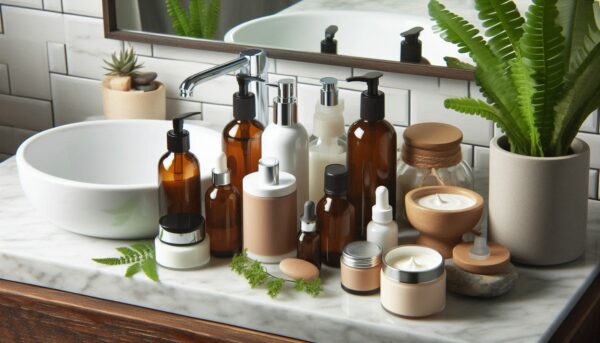
Kicking off a skin regimen can seem overwhelming, but the basics are your best friend. The cornerstone of any routine? Cleansing, toning, and moisturizing. These four steps to build your own skincare routine keep it simple, giving your skin the love it deserves without going overboard.

  1. Cleanser – It is all about removing dirt, oil, and makeup. But it’s not just about using soap. Picking a cleanser that suits your skin type—whether oily, dry, or combination—can make a world of difference. Dermatologists recommend gel-based cleansers for oily skin and cream-based ones for those with dry skin.
  2. Toner (optional)Toners can balance your skin’s pH and prep your face for the goodness coming from your moisturizers. Look for alcohol-free versions to keep dryness at bay. This is an optional step. Cleansers and moisturizers can also help manage hydration and pH balance. My favorite toner is Clarins Hydrating Toning Lotion. It smells great and does not dry out my skin.
  3. Moisturizer Moisturizing isn’t just slapping on some lotion. It’s about locking in hydration. Whether you’re a fan of lightweight, mattifying gels or rich, nourishing creams, pick what makes your skin feel comfortable and hydrated. My first step in hydration, is spraying on d’alba Piedmont Italian White Truffle First Spray Serum. My next step is the lotion. I live in a colder climate so in the winter, I use a thicker cream moisturizer such as LANEIGE Water Bank Blue Hyaluronic Cream Moisturizer. In the warmer months, I use I Dew Care Hydra Vibes 8-Hyaluroinc Acid Moisturizer.
  4. Sunscreen – Sunscreen should never be a step skipped in a skincare routine. No cleanser, serum, or moisturizer can undo the damage caused by daily sun exposure — even on cloudy days or when you’re indoors near windows. Up to 90% of visible skin aging — including wrinkles, fine lines, sagging, and dark spots — is caused by UV exposure, not age alone. Over time, UV rays break down collagen and elastin, the proteins responsible for keeping skin firm and smooth. Once this damage occurs, it’s difficult to reverse. For mature skin, look for hydrating sunscreens with at least an SPF 30. Some sunscreens also have additional beneficial ingredients, such as, antioxidants, ceramides, or hyaluronic acid.

Read more

What Is Nonenal Body Odor And How To Get Rid Of It

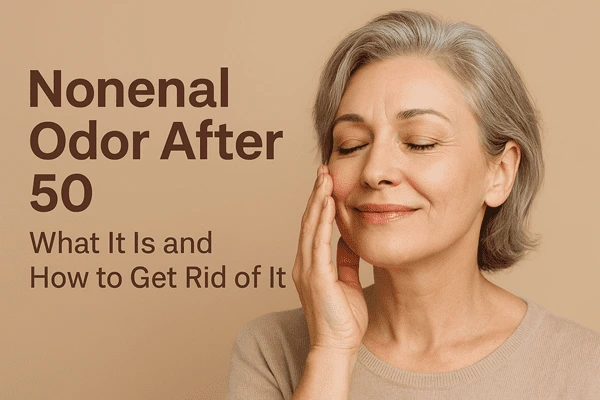
Nonenal body odor, often referred to as “old person smell,” isn’t just a catchy term. This unique odor is primarily found in people over 40 and has a distinct grassy and greasy scent. Unlike common body odors that might originate from sweat and bacteria, nonenal develops due to the oxidation of fatty acids on the skin’s surface. This process creates this specific smell, setting it apart from your typical post-gym funk. This article will discuss what is nonenal body odor and how to get rid of it.

The formation of nonenal is pretty much a natural part of aging. As we grow older, our skin starts to produce more fatty acids, but with fewer antioxidants to combat oxidation, these fatty acids transform into nonenal. This means it’s not just about being sweaty or unhygienic; it’s a chemical change happening as a result of aging.

Curious about who gets stuck with this odor more often? While anyone past their 40s might experience it, factors like gender and lifestyle also play a role. Men, for instance, tend to have stronger body odors due to generally higher activity levels and testosterone that increases sweat production. Women aren’t off the hook, though. Female body chemistry changes during menopause can also up the ante for nonenal formation.

Okay, so can you smell nonenal on yourself? This might depend on how sensitive you are to this odor and whether you’re actively looking for it. Some folks can detect it quite easily, others might need a friendly nudge from someone close to them. Self-awareness and regular hygiene checks can help in assessing whether you’re becoming part of the club.

Read more