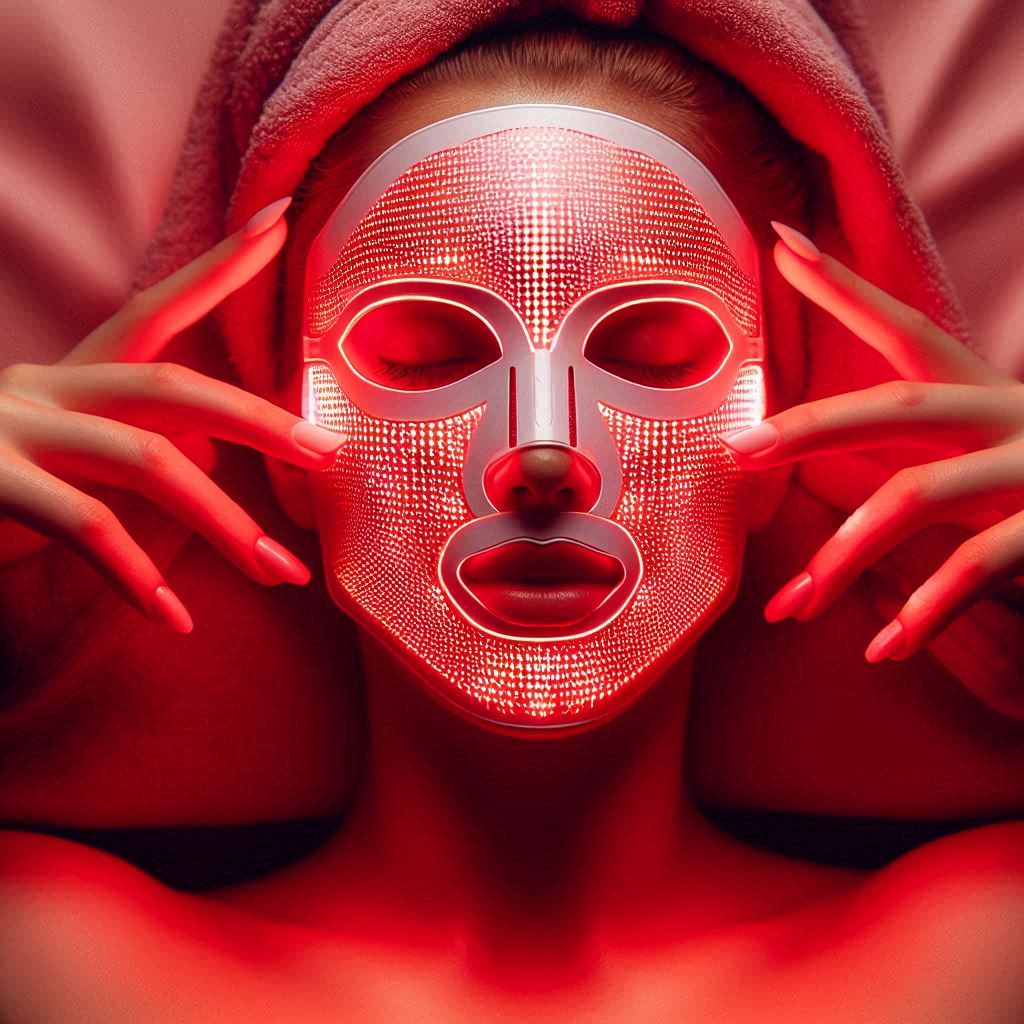
Anti aging red light therapy might sound like something out of a sci-fi movie, but it’s actually a well-researched treatment that taps into the natural power of light to boost skin health. At its core, this therapy employs low-level red wavelengths of light, typically ranging from 630 to 700 nanometers, to penetrate the skin’s surface and stimulate the production of collagen and elastin, the proteins that keep skin looking firm and youthful.
Humans have been using light for healing and wellness since ancient times, but it was only in the 1960s that scientists began to seriously explore the medical benefits of red light. Fast forward to today, and it’s become a staple in skincare, revered for its potential in reducing wrinkles and fine lines. In both medical settings and home devices, red light therapy is utilized to target issues associated with aging skin.
The magic lies in the light’s ability to reach the deeper layers of the epidermis without causing harm. When absorbed by the cells, this light helps boost mitochondria function—the powerhouse of the cell—increasing energy production. This, in turn, speeds up the regeneration of damaged skin cells, promoting a more even tone and texture.
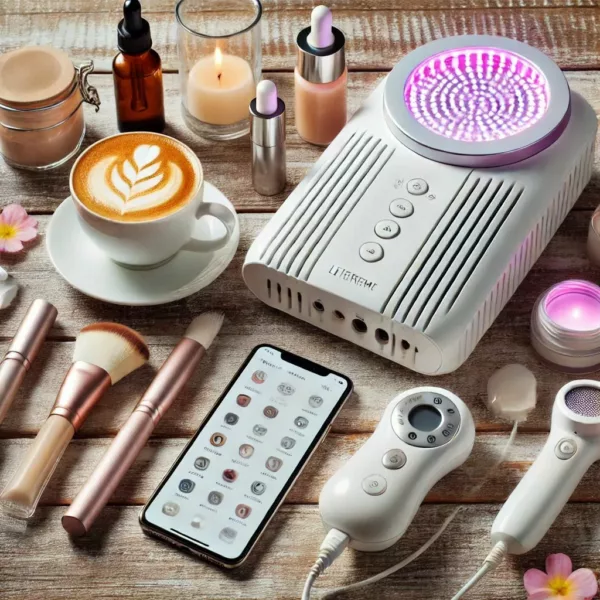
There’s an array of devices out there, from big, in-office contraptions that look like something straight out of your favorite lab scene, to smaller, more affordable handheld gadgets you can use at home. Each comes with its own instruction manual and varying price tags, but the principle remains the same: consistent use over a period of time can lead to visible improvements in skin appearance. Whether you’re considering purchasing a handheld device or booking an appointment at a clinic, understanding this therapy’s foundation helps in making informed choices.
Read more