
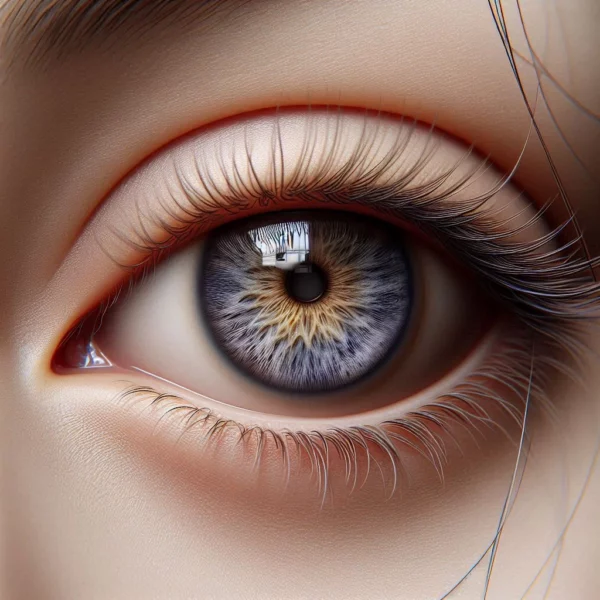
Dry, irritated eyes can be more than just an occasional annoyance—they can interfere with daily comfort, vision, and overall quality of life. As we age, dry eyes become increasingly common, especially for women experiencing hormonal changes.
The good news? While dry eyes may be chronic for some, there are many effective ways to minimize symptoms and protect your eye health.
What Are Dry Eyes?
Dry eyes occur when your eyes don’t produce enough tears—or when tears evaporate too quickly. Tears are essential for keeping the eyes lubricated, comfortable, and protected from irritation and infection.
As we get older, tear production naturally decreases, making dry eye symptoms more noticeable and persistent.
Common Symptoms of Dry Eyes
Dry eye symptoms can range from mild to disruptive and may include:
- Burning, stinging, or scratchy sensations
- Redness or irritation
- A gritty or “sand in the eye” feeling
- Blurry or fluctuating vision
- Eye fatigue, especially after screen use
- Excessive tearing (a response to dryness)
If symptoms persist or worsen, it’s important to consult an eye care professional.
Why Dry Eyes Are More Common After 40
Several age-related factors can contribute to dry eyes:
- Hormonal changes, especially during menopause
- Reduced tear production with aging
- Increased screen time (phones, tablets, computers)
- Certain medications (antihistamines, antidepressants, blood pressure meds)
- Environmental factors like dry air or wind
Understanding the cause is the first step toward effective relief.
How to Minimize Dry Eye Symptoms Naturally
1. Use Lubricating Eye Drops
Preservative-free artificial tears can provide quick relief and are safe for frequent use. Look for drops specifically formulated for dry eye relief.
2. Stay Hydrated
Dehydration affects your entire body—including your eyes. Drinking enough water daily helps support natural tear production.
3. Follow the 20-20-20 Rule
For every 20 minutes of screen time, look at something 20 feet away for at least 20 seconds. This reduces eye strain and blinking fatigue.
4. Apply Warm Compresses
A warm compress can help unclog oil glands in the eyelids, improving tear quality and reducing evaporation.
5. Adjust Your Environment
- Use a humidifier indoors
- Avoid direct air from fans or vents
- Wear sunglasses outdoors to protect against wind and sun
Nutrition and Supplements for Eye Health
What you eat matters for your eyes. Nutrients that support eye moisture include:
- Omega-3 fatty acids (salmon, flaxseed, walnuts)
- Vitamin A (carrots, sweet potatoes)
- Lutein and zeaxanthin (leafy greens like spinach and kale)
Some people benefit from omega-3 supplements, but always check with your healthcare provider before starting new supplements.
Some of the links on Mature Beauty Hub are affiliate links. This means that if you click on a link and make a purchase, we may earn a small commission at no extra cost to you. We only recommend products and brands we trust, and your support helps us keep creating helpful content.
Product Recommendations for Dry Eyes
💧 Best Lubricating Eye Drops (Preservative-Free)
Ideal for daily relief without irritation:
- Refresh Plus Preservative-Free Tears – Gentle, effective, and great for sensitive eyes
- Systane Complete Preservative-Free – Long-lasting moisture and comfort
- TheraTears Dry Eye Therapy – Supports natural tear balance
💡 Tip: Preservative-free drops are best for frequent use and aging eyes.
🌙 Best Gel Drops for Nighttime Dryness
Thicker formulas for overnight hydration:
- Refresh Celluvisc – Deep moisture for severe dryness
- Systane Gel Drops – Ideal for nighttime or very dry environments
🔥 Warm Compress Eye Masks
Helps improve tear quality and relieve irritation:
- Bruder Moist Heat Eye Compress – Doctor-recommended and reusable
- Heated Eye Mask (Microwavable) – Helps unclog oil glands and soothe tired eyes
🐟 Omega-3 Supplements for Eye Health
Supports tear production and reduces inflammation:
- PRN Dry Eye Omega Benefits
- Nordic Naturals Omega-3
- Physician Recommended Omega Vision
💡 Always check with your healthcare provider before starting supplements.
💨 Bonus: Home Comfort Helpers
- Cool Mist Humidifier – Adds moisture to dry indoor air
- Blue Light Glasses – Helps reduce screen-related eye strain
When to See an Eye Doctor
If home remedies aren’t helping or symptoms interfere with daily life, an eye care professional can recommend treatments such as:
- Prescription eye drops
- Specialized eyelid treatments
- In-office procedures for chronic dry eye
Early intervention can prevent complications and protect long-term vision.
Final Thoughts
Dry eyes may be common with aging—but they don’t have to control your comfort or confidence. With the right daily habits, hydration, nutrition, and eye care, you can significantly reduce symptoms and keep your eyes feeling refreshed and healthy.
Aging is a privilege—but comfort, clarity, and healthy eyes at every stage are absolutely achievable.