
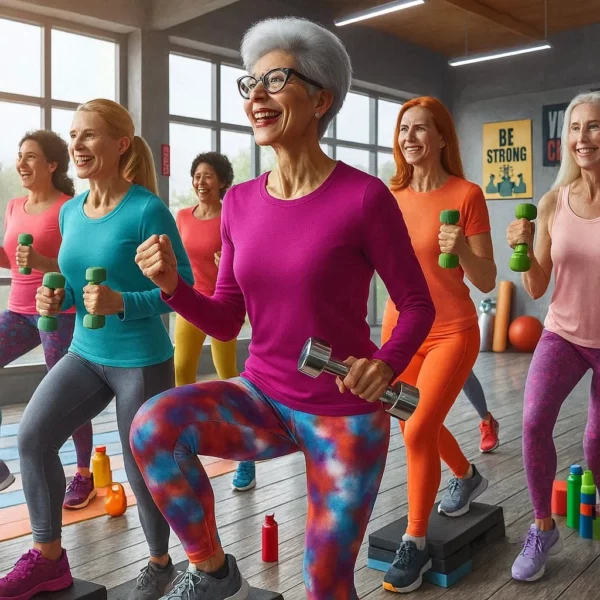
Staying fit after 50 isn’t about chasing your younger self—it’s about feeling strong, energized, confident, and capable in the body you have today. With the right approach, fitness after 50 can be safer, more effective, and more enjoyable than ever.
Whether you’re just getting started or looking to refresh your routine, this guide is about how to stay fit after 50. It provides safe, effective fitness tips to help build strength, protect your joints, boost metabolism, and support long‑term health for women over 50.
Why Fitness After 50 Matters More Than Ever
Fitness after 50 plays a critical role in healthy aging, mobility, and long‑term independence.
As we age, our bodies naturally change. Muscle mass declines, bone density can decrease, metabolism slows, and balance may be affected. The good news? Regular movement can slow, stop, and even reverse many of these changes.
Benefits of staying fit after 50 include:
- Improved muscle tone and strength
- Better balance and fall prevention
- Stronger bones and joint support
- Increased energy and mood
- Better sleep quality
- Reduced risk of heart disease, diabetes, and osteoporosis
Fitness is one of the most powerful anti‑aging tools available.
The Best Types of Exercise After 50
A well‑rounded fitness routine after 50 should include strength training, cardio, flexibility, and balance exercises.
A balanced fitness routine after 50 should include four key components: strength, cardio, flexibility, and balance.
1. Strength Training (Non‑Negotiable)
Strength training is essential after 50—especially for women. It helps preserve muscle, protect bones, and keep metabolism active.
Benefits:
- Prevents muscle loss (sarcopenia)
- Improves bone density
- Supports joints
- Enhances posture and confidence
How often: 2–3 times per week
Great options:
- Bodyweight exercises (squats, wall push‑ups)
- Dumbbells or resistance bands
- Pilates or barre workouts
Tip: Focus on slow, controlled movements rather than heavy weights.
2. Cardio for Heart Health & Energy
Cardio keeps your heart strong, improves circulation, and boosts endurance.
How often: 150 minutes of moderate cardio per week
Low‑impact options include:
- Brisk walking
- Swimming or water aerobics
- Cycling or stationary bike
- Elliptical
- Dancing
If high‑impact workouts no longer feel good, that’s okay—low‑impact does not mean low results.
3. Flexibility & Mobility
Stiffness and limited range of motion become more common with age, making stretching essential.
Benefits:
- Reduces joint pain
- Improves posture
- Enhances workout performance
- Prevents injury
Best practices:
- Stretch after workouts
- Try yoga or gentle mobility routines
- Focus on hips, hamstrings, shoulders, and spine
Even 5–10 minutes a day can make a noticeable difference.
4. Balance & Stability Training
Balance is often overlooked—but it’s critical for staying independent and preventing falls.
Try:
- Standing on one leg
- Heel‑to‑toe walking
- Tai chi
- Yoga balance poses
Adding balance exercises just a few minutes a day can significantly improve coordination and confidence.
How to Start (or Restart) a Fitness Routine After 50
If you’re new to exercise—or returning after a break—start smart.
Start Slow and Build Consistency
- Begin with 10–20 minutes
- Increase intensity gradually
- Focus on consistency over perfection
Listen to Your Body
- Mild soreness is normal
- Sharp pain is not
- Modify movements when needed
Warm Up and Cool Down
Always warm up with gentle movement and cool down with stretching to protect joints and muscles.

Nutrition Tips to Support Fitness After 50
Exercise works best when paired with supportive nutrition.
Key nutrition priorities:
- Protein: supports muscle repair (aim for protein at every meal)
- Calcium & Vitamin D: support bone health
- Fiber: supports digestion and heart health
- Hydration: essential for joint lubrication and energy
Diet plays a masterful role in keeping that youthful glow. Incorporating antioxidant-rich foods like berries, nuts, and leafy greens into your diet can fend off skin-damaging free radicals. And hey, staying hydrated works wonders too. Water does more than quench thirst; it keeps your skin plump and glowing.
Let’s talk drinks. While no beverage alone can melt away belly fat, green tea steals the spotlight with its metabolism-boosting qualities. Sip it regularly, and pair it with a balanced diet and regular exercise to see those inches melt away. Meanwhile, calming teas like chamomile can be your ally in managing stress levels, which is key to keeping cortisol belly fat at bay.
When it comes to tackling that stubborn menopausal belly fat, the strategy involves attacking it on multiple fronts. Combine a balanced diet with exercises that engage multiple muscle groups, like swimming or cycling. Cutting back on processed foods and sugars can also make a noticeable difference. It’s all about balance and sticking to choices that promote overall health.
Avoid extreme dieting—fueling your body properly helps workouts feel better and results last longer.
Recovery Is Just as Important as Exercise
After 50, recovery is not optional—it’s part of the plan.
Support recovery by:
- Getting quality sleep
- Taking rest days
- Stretching regularly
- Managing stress
Rest allows muscles to rebuild and prevents burnout or injury.
Mindset: Redefining Fitness After 50
Fitness after 50 isn’t about punishment or perfection—it’s about longevity, vitality, and self‑care.
Celebrate what your body can do. Progress may look different than it did at 30, but it can be just as rewarding—if not more.
Final Thoughts: Staying Fit After 50 Is Possible at Any Age
Staying fit after 50 is absolutely achievable—and incredibly empowering. With a balanced routine, proper nutrition, and a kind mindset, you can feel strong, capable, and confident at any age.
Remember: Aging is a privilege—but feeling strong and energized is a choice you can make every day.
Explore more fitness, skincare, makeup, and wellness tips at MatureBeautyHub.com—where beauty, strength, and confidence grow with age.