
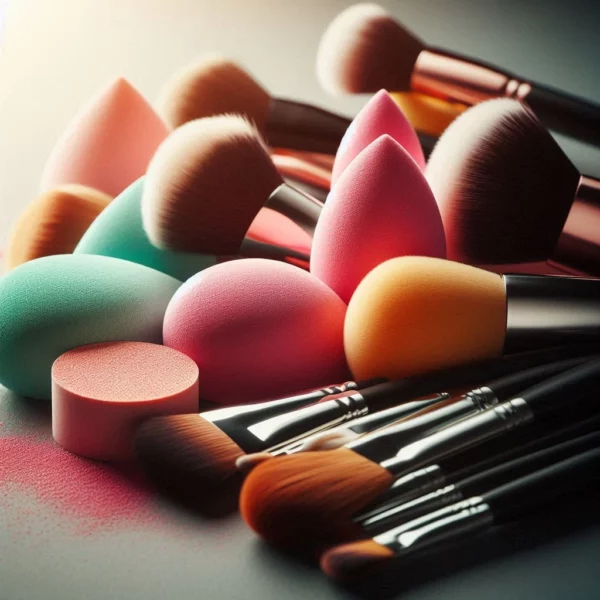
When it comes to applying foundation, concealer, and cream makeup, one question comes up again and again: which is better for flawless, mature skin, makeup sponge vs. brush? Both tools have their strengths—but for mature skin, the right choice can make a noticeable difference in how smooth, natural, and youthful your makeup looks.
Let’s break down the makeup sponge vs brush debate, answer the most common questions, and help you decide what works best for your skin. It depends on your skin type and desired finish—but for mature skin, sponges often win.
- Makeup sponges press product into the skin, creating a softer, more natural look
- Brushes tend to layer product on top of the skin, which can highlight fine lines and dryness
👉 Best choice for mature skin: A damp makeup sponge for foundation and concealer.
| Feature | Makeup Sponge | Makeup Brush |
|---|---|---|
| Finish | Natural, skin-like, dewy | Polished, smooth, more perfected |
| Coverage Level | Light to medium (buildable) | Medium to full |
| Best For | Dry, mature, or textured skin | Normal to oily skin |
| Ease of Use | Very beginner-friendly | Requires some technique |
| Effect on Fine Lines | Softens and minimizes appearance | Can emphasize lines if overused |
| Application Style | Presses product into skin | Buffs or sweeps product on skin |
| Hygiene | Needs frequent washing & replacement | Easier to keep clean |
| Product Absorption | Absorbs some product | Minimal product waste |
| Best Use Tip | Always use damp | Use light pressure |
| Ideal for Mature Skin? | ⭐ Yes—top choice | ✔ Yes, when followed by a sponge |
Is Using a Brush Better Than a Sponge?
A brush isn’t better—it’s just different.
Brushes are better if you want:
- Fuller coverage
- Faster application
- More precision (contour, blush, bronzer)
Sponges are better if you want:
- A natural, second-skin finish
- Less emphasis on texture
- Makeup that melts into the skin
💡 Pro tip: Many women over 50 use both—a brush to apply foundation and a sponge to blend.
Which Is More Hygienic: Makeup Brush or Sponge?
Brushes are generally more hygienic because:
- They dry faster
- They don’t trap as much moisture
- They’re less likely to harbor bacteria
Sponges require more care:
- Wash after every use (or at least every 1–2 uses)
- Let them air-dry completely
- Replace every 2–3 months
👉 If you love sponges (and many mature-skin users do), hygiene just means consistent cleaning.
Do Makeup Artists Use Brushes or Sponges?
Professional makeup artists use both—and for good reason.
- Brushes: initial application, precision, sculpting
- Sponges: blending, softening edges, pressing makeup into skin
🎨 Many pros agree: the sponge step is what makes makeup look flawless on camera and real life—especially on mature skin.
Are You Supposed to Use a Makeup Sponge Wet or Dry?
Always wet it—then squeeze it out.
A damp sponge:
- Prevents makeup from soaking into the sponge
- Gives a smoother, more natural finish
- Reduces cakiness and creasing
🚫 A dry sponge can:
- Absorb too much product
- Drag on dry or textured skin
Rule of thumb: Wet → squeeze → bounce → glow.
Is a Brush or Sponge Better for Mature Skin?
For mature skin, a makeup sponge is usually the better option.
Why sponges work best for aging skin:
- They don’t tug or pull
- They soften the look of fine lines
- They create a hydrated, skin-like finish
- They prevent product from settling into creases
That said, soft, dense brushes (like stippling or duo-fiber brushes) can still work beautifully when followed by a sponge to blend.
Best Application Method for Mature Skin (Step-by-Step)
- Start with well-moisturized skin
- Apply liquid or cream foundation with a brush or fingers
- Blend using a damp sponge with gentle bouncing motions
- Use the sponge under eyes and around mouth to reduce creasing
- Lightly set only where needed (T-zone, under eyes)
✨ Less product + better blending = younger-looking skin.
Final Verdict: Sponge or Brush?
Best overall for mature skin: ✔️ Makeup sponge
Best for coverage & speed: ✔️ Brush
Best professional technique: ✔️ Both together
If your goal is glowing, natural-looking skin that doesn’t emphasize texture, a damp sponge should be your go-to.
Aging is a privilege—but glowing, healthy skin at any age is totally achievable.
**Check out another article: Makeup Applicator Tools 101: Brushes, Fingers, or Sponges? Here’s How to Choose
For a list of my favorite sponges and brushes, click here.