
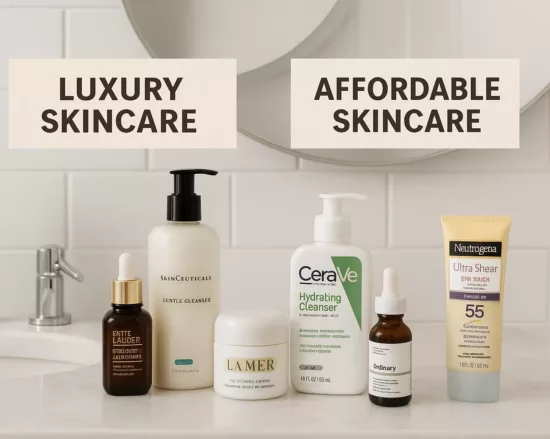
Aging skin is powerful, beautiful, and deserving of care that actually works — not just products wrapped in fancy packaging. If you’re over 50, you’ve probably wondered whether those high‑end anti‑aging creams and serums are truly worth the splurge. After all, the beauty industry is filled with $200 moisturizers, $300 serums, and luxury brands promising “miracle” results.
But here’s the truth: Price does not determine effectiveness — ingredients do. And mature skin has very specific needs that many luxury products don’t necessarily meet better than affordable ones.
Let’s break down what really matters for aging skin, what’s worth investing in, and where you can confidently save your money.
How Mature Skin Changes After 50 — and Why It Matters
To understand whether expensive products work better, we need to understand what mature skin actually needs.
After 50, especially post‑menopause, skin experiences:
- Decreased collagen production (up to 30% lost in the first 5 years after menopause)
- Thinner, more fragile skin – Hydration tips for women over 50
- Increased dryness due to reduced oil production
- Slower cell turnover
- More visible fine lines, wrinkles, and sagging
- Greater sensitivity and irritation potential
This means mature skin benefits most from:
- Proven actives
- Hydration
- Barrier repair
- Gentle formulations
- Consistency
Not price.
The Science: What Actually Works for Anti‑Aging
Whether a product costs $20 or $200, only a handful of ingredients have been scientifically proven to improve aging skin.
The heavy hitters:
- Retinoids (retinol, retinaldehyde, adapalene) Boost collagen, smooth texture, reduce wrinkles.
- Vitamin C (L‑ascorbic acid) Brightens, firms, protects from environmental damage.
- Peptides Support collagen and elasticity.
- Niacinamide Strengthens the barrier, reduces redness, improves tone.
- Hyaluronic acid Hydrates and plumps.
- Ceramides Repair the moisture barrier. My dry skin routine for mature skin.
- Sunscreen Prevents 80–90% of visible aging.
These ingredients work regardless of the price tag.
Expensive vs. Affordable Anti‑Aging Products: What’s the Real Difference?
What You’re Paying for in Luxury Skincare
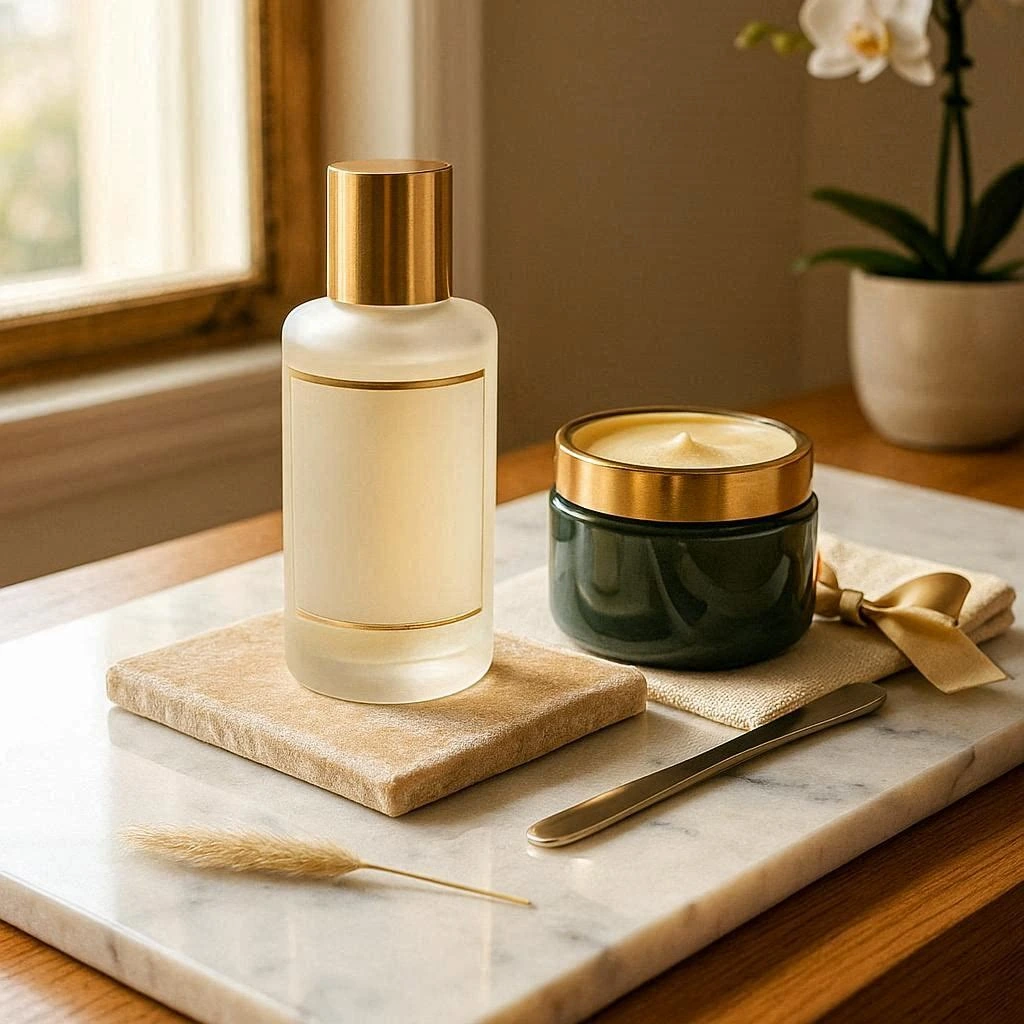
Luxury brands often charge more because of:
- High‑end packaging
- Fragrance and sensory experience
- Marketing and celebrity endorsements
- Patented delivery systems
- Exclusive ingredient blends
- Prestige branding
Some of these are nice to have — but they don’t necessarily improve results.
When expensive products can be worth it
- When they use stabilized, high‑concentration actives
- When they offer advanced delivery systems that improve penetration
- When they include multiple proven ingredients in one formula
- When they’re designed for sensitive mature skin and avoid irritation
But many luxury products rely heavily on marketing rather than science.
Why Affordable Products Often Work Just as Well
Today’s drugstore and mid‑range brands are more advanced than ever. Many are dermatologist‑developed and use the same proven ingredients as luxury brands.
Affordable products excel because they:
- Use the same active ingredients
- Avoid unnecessary fragrance and irritants
- Focus on function over luxury
- Are easier to use consistently
- Offer excellent formulations for sensitive or dry mature skin
Consistency is everything — and affordable products make that possible.
Ingredient Comparison: Luxury vs. Affordable
Here’s a real‑world example of how similar products can be:
| Product Type | Luxury Example | Affordable Example | Key Actives | Difference |
|---|---|---|---|---|
| Retinol Serum | $120 luxury brand | $28 drugstore brand | Retinol, peptides | Nearly identical actives; luxury has fragrance + fancy packaging |
| Vitamin C Serum | $150 prestige brand | $20 drugstore brand | 10–15% L‑ascorbic acid | Same concentration; luxury uses proprietary blend |
| Moisturizer | $200 luxury cream | $18 drugstore cream | Ceramides, hyaluronic acid | Same ingredients; luxury adds botanical extracts |
What Mature Skin Should Actually Spend Money On
Some products are worth investing in — but not because they’re expensive. They’re worth it because they deliver results.
Worth the splurge:
- Retinoids (especially retinaldehyde or encapsulated retinol)
- Vitamin C serums with stable formulations
- Peptide serums
- Dermatologist‑backed brands with clinical testing
- Professional treatments (microneedling, chemical peels, laser)
Save your money on:
- Cleansers
- Basic moisturizers
- Toners
- Face mists
- Fancy packaging
- Products with fragrance as a main selling point
Your cleanser should not cost more than your retinol.
How to Choose the Right Products for Mature Skin
Here’s a simple rule:
Look at the ingredient list — not the price tag.
When choosing a product, ask:
- Does it contain proven actives?
- Is it fragrance‑free or low‑fragrance?
- Is it gentle enough for mature skin?
- Does it fit your budget so you can use it consistently?
- Does it address your specific concerns (dryness, sagging, dullness)?
If the answer is yes, it’s a good product — luxury or not.
Aging Skin: What Actually Makes the Biggest Difference
Here’s what truly transforms mature skin:
1. Daily sunscreen
The #1 anti‑aging product on earth. Click here for why SPF matters after 50.
2. A retinoid
The gold standard for collagen.
3. A hydrating, barrier‑supporting moisturizer
Ceramides + hyaluronic acid = essential.
4. Vitamin C
Brightens and firms.
5. Consistency
A $20 product used daily beats a $200 product used twice a month.
A Sample Routine for Women Over 50 (Affordable or Luxury Options)
Morning
- Gentle cleanser
- Vitamin C serum
- Moisturizer with ceramides
- Sunscreen (SPF 30–50)
Evening
- Cleanser
- Retinol or retinaldehyde
- Peptide or niacinamide serum
- Rich moisturizer
This routine works at any budget.
Final Thoughts
Yes — anti‑aging products can work. But the effectiveness comes from ingredients, formulation, and consistency, not the price tag. Luxury skincare can feel indulgent and enjoyable, but affordable products often deliver the same science‑backed results without the financial stress.
For mature skin, the best routine is one that:
- Uses proven ingredients
- Supports hydration and barrier repair
- Fits your budget
- Feels good to use
- Is sustainable long‑term
For a listing of my favorite products, click here.
Aging is a privilege — and glowing, healthy skin at any age is absolutely achievable.